
Choosing the Right Branded Merchandise Supplier for Your Campaign
Learn how to select a trusted promotional products supplier like Promo Brands. Navigate the options and find the perfect branding partner.

Written by
Stella Kwan
Branding & Customisation
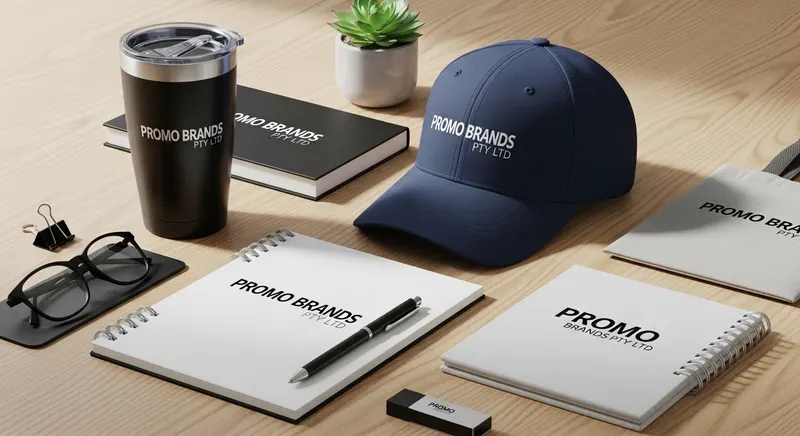
Choosing the right supplier for your branded merchandise can feel overwhelming — especially when you’re searching for terms like promo brands pty ltd and finding yourself surrounded by a sea of options, each promising the best quality, fastest turnaround, and lowest prices. Whether you’re a corporate team in Sydney gearing up for a major conference, an event organiser in Melbourne sourcing giveaway bags, or a Brisbane business refreshing its branded apparel, knowing what to look for in a promotional products partner is every bit as important as knowing what products to order. This guide breaks down exactly what you should expect from a professional, reliable promotional products supplier — and how to make every dollar of your merchandise budget work harder.
What Does a Professional Promotional Products Supplier Actually Offer?
Before you commit to any supplier, it’s worth understanding what a full-service promotional merchandise company genuinely brings to the table. The best suppliers don’t just print your logo on a product — they act as an extension of your marketing team, helping you choose the right items, decoration methods, and quantities to meet your specific goals.
Product Range and Sourcing Capability
A reputable supplier should offer access to a broad catalogue spanning multiple product categories. Think beyond the basics. Yes, you need branded pens and notebooks for your next trade show, but a strong supplier will also connect you with:
- Custom apparel — t-shirts, polos, hoodies, hi-vis workwear, and caps
- Drinkware — branded keep cups, stainless steel water bottles, and ceramic mugs
- Bags — tote bags, backpacks, cooler bags, and conference satchels
- Tech accessories — power banks, USB drives, wireless chargers
- Eco-friendly products — bamboo items, recycled materials, reusable alternatives
- Awards and recognition products — trophies, plaques, and crystal items
The depth of a supplier’s range reflects their sourcing relationships and industry experience. If a company can only offer a handful of standard items, they may not have the infrastructure to support complex or large-scale orders.
Decoration Methods and Their Applications
Not all decoration methods suit every product or budget. A knowledgeable supplier will guide you through the right technique for your specific needs. Here’s a quick overview of the most common methods and when they work best:
- Screen printing — Ideal for large runs of apparel and flat surfaces. Cost-effective per unit at volume.
- Embroidery — Best for polos, caps, and corporate workwear where a premium, textured finish is required.
- Sublimation — Perfect for full-colour, all-over designs on polyester garments and hard goods.
- Laser engraving — Great for drinkware, tech items, and awards where longevity and precision matter.
- Pad printing — A popular choice for pens, keyrings, and small promotional items.
If you’re unsure which method suits your project, our guide to screen printing vs embroidery is a great starting point.
Key Questions to Ask Any Promo Brands Supplier Before You Order
When you’re evaluating any promotional merchandise company — whether that’s a national operator or a local Sydney or Adelaide-based supplier — there are some non-negotiable questions to raise before placing your order.
What Are the Minimum Order Quantities (MOQs)?
MOQs vary significantly across product types and suppliers. Branded pens might have a minimum of 100 units, while custom hoodies could start at 25 or even 10 units depending on the decoration method. Understanding MOQs upfront prevents budget surprises.
For smaller organisations — say, a Canberra government department ordering branded USB drives for a departmental conference, or a Hobart charity running a community fundraiser — finding a supplier who can work with lower minimum orders is crucial. Always ask whether MOQs are flexible and whether ordering a mix of sizes or colours affects the threshold.
What’s the Turnaround Time?
Turnaround times vary enormously. Standard production typically runs 10 to 15 business days from artwork approval, but rush options may be available for urgent jobs. Key factors that affect lead times include:
- Product type and availability
- Decoration complexity
- Whether a physical sample is requested
- Shipping destination (items going to Darwin or regional WA may take longer than metro deliveries)
If you’re planning for a specific event date, always work backwards from the event and factor in proof approval time — this step alone can add several days if multiple stakeholders are involved in sign-off.
Are Setup Fees Included?
Setup fees (sometimes called origination fees or screen fees) are charged to prepare artwork for production. They vary by decoration method — screen printing setups typically differ from embroidery digitising fees, for example. Some suppliers include setup in their pricing; others charge separately. Always ask for a fully itemised quote so you know exactly what you’re paying for.
You can learn more about how promotional product pricing works including a breakdown of hidden costs to watch for.
How to Evaluate the Quality of a Branded Merchandise Supplier
In the promotional products industry, price is rarely the only metric worth comparing. Quality, reliability, and communication matter just as much — often more, when you’re ordering branded items that represent your organisation’s image.
Request Samples Before Committing
Any professional supplier should be willing to provide product samples before you commit to a full production run. Samples let you assess:
- Material quality and weight
- Colour accuracy (particularly important if you’re matching PMS brand colours)
- Construction and finish
- The feel and usability of the item in real life
For example, a Melbourne corporate team ordering 500 branded keep cups for a client gift campaign would be well-advised to receive a sample before committing to a full run. Even minor variations in lid quality or print placement are much easier to resolve before production begins.
Check Their Artwork and Proof Process
A reliable supplier will provide a digital proof — sometimes called a visual mockup — showing your artwork on the product before production commences. This proof should clearly show:
- Logo placement and sizing
- Colour representation
- Any limitations of the decoration method
Never approve production based on a verbal description alone. Always insist on a written or digital proof, and understanding artwork requirements for promotional products will help you submit files that are production-ready from day one.
Read Reviews and Ask for References
Word of mouth still matters enormously in the promotional merchandise industry. Before committing to a large order, look for:
- Google reviews and testimonials
- Case studies or portfolio examples
- References from organisations in your sector
A Gold Coast event company sourcing branded lanyards and conference bags, for instance, will find it reassuring to see examples of similar work completed for other event organisers — not just generic product shots.
Budgeting Smartly for Branded Merchandise Projects
One of the biggest mistakes organisations make when sourcing branded merchandise is treating it as an afterthought. Smart budgeting starts long before you brief a supplier.
Factor In All the Real Costs
Your per-unit cost is just one part of the picture. A complete budget should include:
- Product cost (which drops as quantity increases)
- Setup/origination fees
- Freight and delivery — especially relevant for larger items like banners, display stands, or bulk apparel shipments across multiple Australian states
- Sample costs (often credited back on full order placement)
- GST
Our breakdown of how to budget for a branded merchandise campaign walks through a practical framework that works for both small-scale community events and large corporate rollouts.
Think About Cost Per Impression
In marketing terms, promotional products consistently deliver one of the lowest costs per impression of any channel. A branded tote bag used daily by a Perth commuter might be seen by dozens of people over the course of months. A quality stainless steel water bottle could remain in daily use for years, delivering ongoing brand visibility far beyond the initial investment.
When you reframe your merchandise spend through this lens, the value proposition of well-chosen branded items becomes much clearer. Read more about the ROI of promotional products for Australian businesses to understand why savvy marketing teams invest in merchandise consistently.
Prioritise Quality Over Quantity
It’s tempting to order more units at a lower price point, but distributing cheap, flimsy items can actually damage your brand perception. A smaller run of higher-quality products — say, premium branded notebooks for a Sydney financial services firm’s client events — will leave a stronger, more positive impression than a larger volume of items that end up in the bin within weeks.
Industry-Specific Considerations for Branded Merchandise
Different sectors have unique needs when it comes to choosing the right branded merchandise. Here’s a snapshot:
- Corporate businesses — prioritise premium quality, on-brand aesthetics, and items that recipients will actually keep and use (drinkware, notebooks, apparel)
- Event organisers — focus on practicality, speed, and visual impact (lanyards, tote bags, branded lighters, stress balls)
- Government and councils — often require compliance with procurement policies; eco-friendly options are increasingly favoured
- Schools and sporting clubs — budget-conscious, high-volume orders; custom t-shirts and caps are mainstays
Understanding your sector’s specific expectations helps you brief a supplier clearly and ensures the final product hits the mark. Eco-friendly promotional products are increasingly popular across all sectors, particularly among government bodies, universities, and businesses with active sustainability commitments.
Finding the Right Long-Term Merchandise Partner
Beyond any single order, the real value of a great promotional merchandise supplier is the ongoing relationship. The best partnerships develop when a supplier truly understands your brand, your audience, and your goals — and proactively brings ideas to the table rather than simply filling orders.
If you’re exploring custom corporate gifting strategies or planning a major branded merchandise rollout, investing time in finding the right long-term partner pays dividends over time. Consistent branding, reliable quality control, and responsive communication are hallmarks of a supplier worth sticking with.
Conclusion: What to Remember When Searching for Promo Brands Suppliers
Navigating the Australian promotional products landscape — whether you’re specifically searching for promo brands pty ltd options or simply trying to find the best fit for your organisation’s needs — comes down to asking the right questions and knowing what to look for.
Here are the key takeaways from this guide:
- Don’t judge on price alone — quality, reliability, and communication are equally important metrics when choosing a promotional merchandise supplier
- Always request a sample before committing to a large production run, and insist on a digital proof before approving any order
- Understand all costs upfront — including setup fees, freight, and GST — to avoid budget surprises
- Match the product and decoration method to your goals — different items and techniques suit different audiences, budgets, and brand objectives
- Think long-term — building an ongoing relationship with a trusted supplier delivers better outcomes than shopping around for the cheapest quote every time
Whether you’re a corporate team in Brisbane, a government department in Canberra, or an event organiser on the Gold Coast, the right branded merchandise strategy starts with the right supplier relationship — and the right information.