
How to Choose the Right Print Shop for Your Branded Merchandise Needs
Discover how to find the best print shops for custom branded merchandise in Australia — tips on quality, turnaround, MOQs, and more.

Written by
Stella Kwan
Branding & Customisation
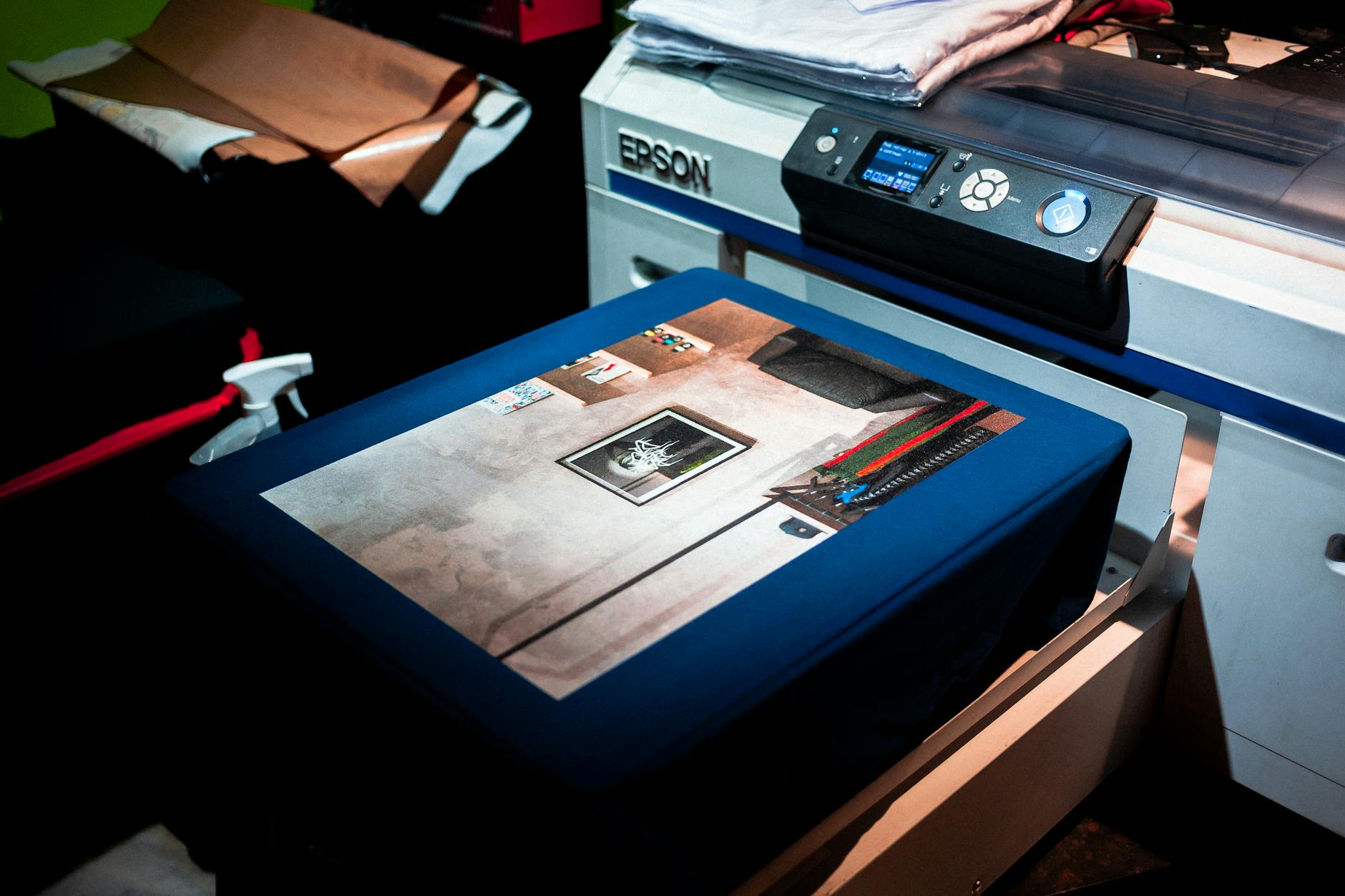
Finding the right print shop for your branded merchandise can feel overwhelming — especially when the quality of your finished products directly reflects your business, organisation, or event. Whether you’re a Sydney-based corporate team ordering promotional apparel for a conference, a Brisbane council procuring custom tote bags for a community event, or a Melbourne startup looking to launch branded merch for the first time, the print shop you choose will have a significant impact on the outcome. From decoration methods and turnaround times to minimum order quantities and artwork requirements, there’s a lot to consider. This guide is designed to cut through the confusion and help you make a confident, well-informed decision.
What Do Print Shops Actually Do?
Before diving into how to choose one, it’s worth clarifying what modern print shops offer — because the term covers far more than you might expect.
Traditional print shops started with paper-based products: business cards, flyers, banners, and signage. But today, many Australian print shops have expanded significantly into the branded merchandise space, offering decoration services across a wide range of physical products. That includes custom apparel, drinkware, bags, tech accessories, and promotional items.
The most common decoration methods you’ll encounter include:
- Screen printing – Ideal for bold, high-volume runs on t-shirts, tote bags, and hoodies. Best suited to designs with limited colours on flat surfaces.
- Embroidery – A premium finish often used on corporate polo shirts, caps, and workwear. Great for logos with clean lines.
- Sublimation – A full-colour, all-over printing method perfect for sportswear and items like sublimated basketball singlets for school competitions.
- Laser engraving – Common on metal and wooden items such as pens, drinkware, and award plaques.
- Pad printing – Often used on promotional items like pens, USB drives, and phone stands.
- Digital printing – Suitable for short runs and photo-quality images on a variety of surfaces.
Understanding which method suits your product and design is essential before approaching a supplier. If you’re unsure, our guide on vector vs raster artwork for custom merchandise printing is a great place to start — getting your artwork right upfront will save you time and money.
What to Look for in Print Shops Across Australia
Not all print shops are created equal. When evaluating suppliers, here are the key factors to assess.
Specialisation and Product Range
Some print shops focus purely on garment decoration, while others offer a broad catalogue of promotional products. For businesses seeking a one-stop solution — think corporate gifts, event merchandise, branded uniforms, and giveaway items — working with a promotional products supplier that also offers print services can simplify the entire process.
A Gold Coast tourism operator might need custom caps, screen-printed tees, and reusable water bottles. A Perth government department might be after laser-engraved awards and sublimated lanyards. Knowing your product mix will help you identify whether you need a specialist or a generalist.
Minimum Order Quantities (MOQs)
MOQs vary widely across the industry. Screen printing typically starts at 20–50 units to make setup costs economically viable. Embroidery can sometimes be done in smaller runs, but the setup (digitising your logo) still represents an upfront cost. Digital printing often allows for the lowest MOQs, making it a good option for short-run projects.
If you’re ordering for a small event or a boutique business, always ask about low-MOQ options before committing. Many suppliers have tiered pricing, meaning the per-unit cost drops significantly as your quantity increases.
Turnaround Times
Standard turnaround in Australia is typically 10–15 business days after artwork approval. However, some suppliers offer rush production for urgent orders — usually at an added cost. If you’re working toward a hard deadline (a product launch, a trade show, a school sports day), always confirm turnaround times in writing before placing your order.
It’s also worth accounting for freight time, particularly if you’re ordering from interstate. A business in Darwin ordering from a Sydney-based print shop should factor in an extra two to three days for shipping.
Artwork Support and Proofing
Reputable print shops will provide a digital proof before going into production. This gives you the opportunity to review placement, sizing, colour, and text before anything is printed. Always take the time to review proofs carefully — errors caught at this stage are far easier (and cheaper) to fix than reprinting an entire order.
If your logo only exists as a low-resolution file (like a JPEG from a Word document), a good supplier will flag this early. Most decoration methods require vector artwork (typically an .ai or .eps file) for clean reproduction. Understanding the difference between file types is essential — our breakdown of vector vs raster artwork explains exactly what you’ll need.
PMS Colour Matching
If brand consistency is critical — for instance, a national retail chain needing their exact Pantone shade across hundreds of items — look for print shops that offer PMS (Pantone Matching System) colour matching. This ensures your colour is consistent across different products, materials, and decoration methods.
How Print Shops Handle Different Product Categories
Apparel and Uniforms
Custom apparel remains the most popular category for Australian print shops. From top-rated custom t-shirts to embroidered corporate polo shirts, the options are extensive. When ordering, always request a size run breakdown and confirm whether the supplier carries popular Australian shirt brands known for quality and consistency.
For schools, sporting clubs, and community organisations, customised uniforms play a big role in identity and cohesion. Organisations aligned with school sport Australia merchandise programs, for example, need reliable decorators who can handle specific colour requirements and tight timelines.
Drinkware and Branded Products
Drinkware is another high-demand category. Branded keep cups, travel mugs, and promotional water bottles are perennial favourites for corporate gifts and conference giveaways. Laser engraving is common for stainless steel bottles, while full-colour wraps can be achieved through digital printing or sublimation.
Bags and Totes
Bags are one of the most versatile promotional products. Branded tote bags for women in particular have seen strong growth in recent years as businesses look for practical, stylish giveaways. Print shops typically apply logos to bags using screen printing, heat transfer, or embroidery depending on the material.
Signage and Banners
Many print shops also offer signage — a category that often gets overlooked in branded merchandise planning. If you’re setting up a trade show stand or exhibiting at an expo, cohesive signage is just as important as your physical giveaways. For Queensland-based businesses, exploring signs in Brisbane will give you a sense of the local options available.
Eco-Friendly and Sustainable Products
Demand for sustainable options is rising sharply. Many print shops now stock bamboo, recycled, and organic alternatives across categories. If environmental impact matters to your brand — and increasingly, it should — look for suppliers who offer eco-friendly promotional items. These resonate particularly well with councils, universities, and values-led businesses.
Regional Considerations for Australian Businesses
The Australian branded merchandise industry is well-distributed across major cities and regional centres, but your location can affect your options.
Businesses in Western Australia can find excellent local support — take a look at promotional product suppliers in WA for region-specific guidance. In South Australia, suppliers can help with everything from promotional phone stands in Adelaide to large-scale workwear orders. On the Sunshine Coast, a growing number of local businesses are exploring promotional products in Sunshine Coast options to support community events and tourism.
If you’re in Sydney and need products tailored for active industries, exploring promotional products for sports businesses in Sydney is a useful starting point.
Budgeting for Print Shop Orders
Budget planning is one of the most common sticking points for first-time buyers. Here’s a rough framework:
- Setup fees: These cover artwork digitisation or screen setup and can range from $30–$150 per colour/method. These are one-time costs, often waived on reorders.
- Per-unit cost: This depends on the product, quantity, and decoration complexity. Volume brings unit costs down significantly.
- Freight: Calculated based on weight, dimensions, and destination. Always get a freight quote before finalising your order.
- Sampling: Many suppliers offer pre-production samples for larger orders. Factor in the cost and lead time if this is important to your quality assurance process.
For a deeper understanding of the industry’s scale and pricing landscape, the promotional product industry revenue statistics for Australia provide helpful context.
Print Shops vs Online Printing Platforms
There’s an important distinction between traditional print shops and online-only printing platforms. Online platforms can be convenient for simple, standardised products, but they often lack the personalised service, product expertise, and quality assurance that a full-service supplier provides. For complex orders, multi-product campaigns, or projects with brand-critical requirements, working with an experienced team is almost always the better choice.
That said, if you’re curious about how online options compare, our honest breakdown of Vista Print alternatives covers what to look for and where standard online platforms fall short for businesses with higher expectations.
Conclusion: Key Takeaways for Finding the Right Print Shops
Choosing the right print shop is one of the most important decisions in any branded merchandise project. It affects product quality, delivery reliability, brand consistency, and ultimately, how your business is perceived. Here’s a summary of the key points to carry forward:
- Match the print shop to your product type — not all suppliers handle all decoration methods or product categories equally well.
- Always review a digital proof before approving production, and ensure your artwork is supplied in the correct format (vector for most decoration methods).
- Ask about MOQs, turnaround times, and freight upfront to avoid surprises, particularly when working to a deadline.
- Consider sustainability — eco-friendly options are increasingly available and can reinforce your brand values.
- Don’t choose on price alone — a cheap order that arrives late, looks wrong, or uses inferior materials will cost you more in the long run than investing in quality from the start.
Take your time, ask the right questions, and choose a print shop that understands your goals. The right partner will make the entire process smooth, professional, and genuinely rewarding.