
Custom Apparel Market Trends Shaping Australian Branded Merchandise in 2026
Discover the biggest custom apparel trends driving Australian businesses, corporate teams, and event organisers in 2026 and beyond.

Written by
Grace Bennett
Industry Trends & Stats
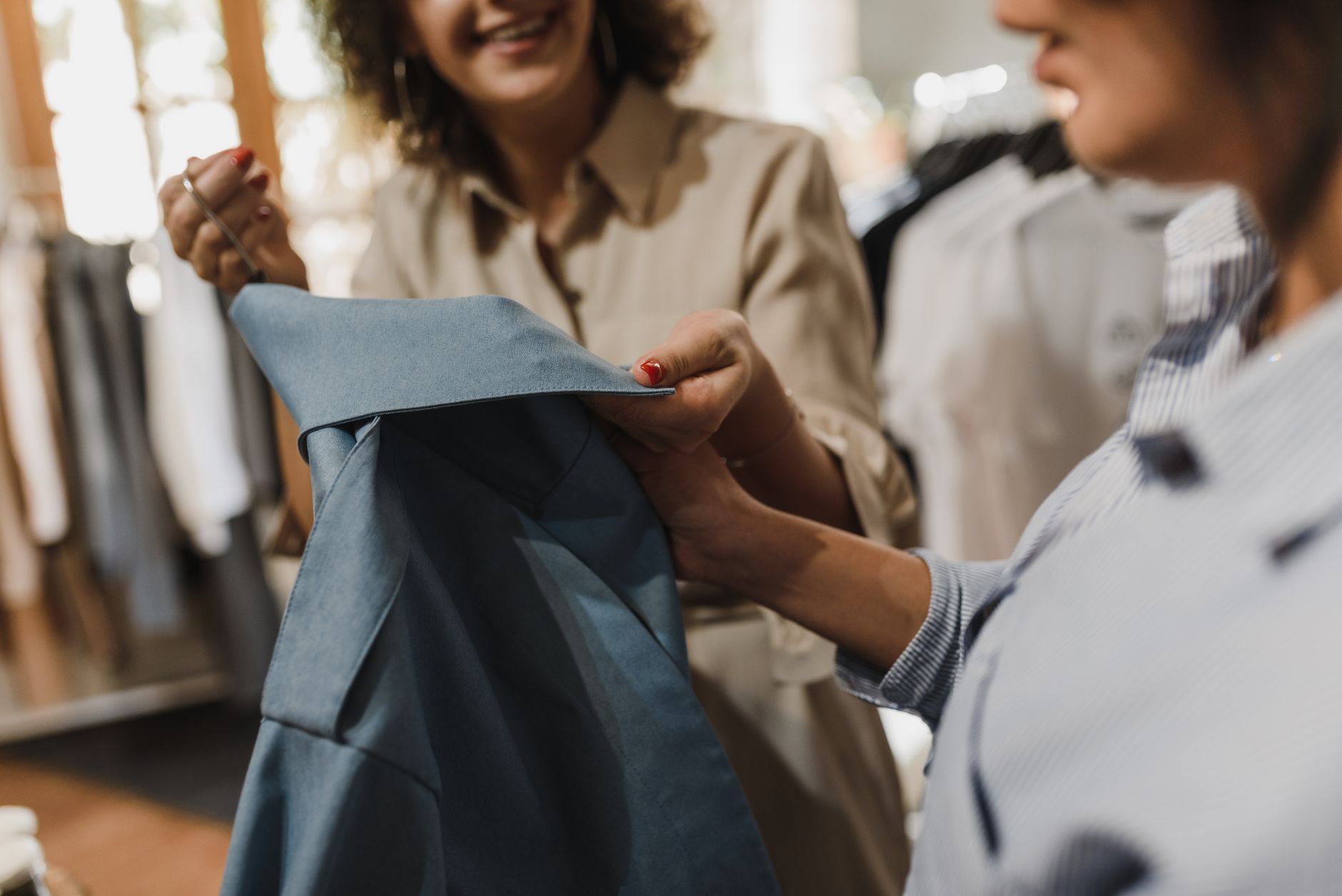
The branded merchandise landscape is shifting faster than ever, and custom apparel sits right at the centre of that change. Whether you’re a Sydney-based corporate team refreshing your uniform programme, a Melbourne event organiser sourcing branded tees for a conference, or a Brisbane sporting club kitting out players for the season ahead, understanding where the custom apparel market is heading can save you time, money, and a whole lot of guesswork. While much of the global industry conversation focuses on what happened in 2024, Australian businesses are now operating in a 2026 environment shaped directly by those pivotal trends — and knowing the trajectory helps you plan smarter.
Why the Custom Apparel Market Trends From 2024 Still Matter in 2026
Market trends don’t appear and disappear overnight. The shifts that defined the custom apparel market in 2024 — a renewed focus on sustainability, the rise of premium-quality garments over throwaway pieces, and a growing demand for on-demand and short-run printing — have matured into established expectations by 2026. Australian businesses that adapted early are now reaping the rewards in stronger brand recognition, better staff engagement, and more cost-effective merchandise programmes.
According to data tracked across the broader promotional products space, the Australian promotional industry has shown consistent growth in recent years. If you’re curious about the numbers behind that growth, our overview of Australian promotional product industry revenue statistics provides a solid grounding. Understanding the financial scale of this industry puts individual purchasing decisions into helpful context.
What’s particularly interesting about the 2024 turning point is that it coincided with a significant post-pandemic reset. Organisations across Australia began reassessing their branded merchandise strategies — moving away from bulk, generic giveaways toward intentional, wearable pieces that people actually want to keep and wear. That shift has shaped everything from garment selection to decoration method preferences.
Sustainability Has Moved From a Trend to a Standard
If there’s one theme that defined the custom apparel market in 2024 and has only deepened since, it’s sustainability. Australian organisations — from Canberra government departments to Gold Coast event companies — are now routinely asking suppliers about fabric origins, certifications, and end-of-life garment options before they even discuss pricing.
The demand for organic cotton, recycled polyester, and ethically manufactured garments has moved from “nice to have” to a genuine procurement requirement for many larger organisations. This aligns closely with the broader movement toward eco-friendly promotional items, which covers not just apparel but bags, drinkware, and stationery as well.
In practice, this means:
- Recycled polyester tees and hoodies are now widely available at competitive price points, making the sustainability upgrade far more accessible for smaller budgets
- GOTS-certified organic cotton products are being specified by schools, universities, and healthcare organisations with formal sustainability policies
- Bamboo and natural fibre blends are appearing in polo shirts and casual tees, particularly popular in warmer states like Queensland and the Northern Territory
The shift is also influencing decoration choices. Water-based screen printing inks, which carry a lower environmental impact than traditional plastisol inks, are increasingly being requested alongside organic garments. Understanding the difference between decoration techniques is important here — our guide on vector vs raster artwork for custom merchandise printing is a useful reference when preparing artwork for any of these methods.
Premium Quality Over Volume: The “Fewer, Better” Philosophy
Another defining characteristic of the 2024 custom apparel market that has carried strongly into 2026 is the pivot toward fewer, better-quality pieces. The era of ordering 500 cheap promotional tees that end up in the back of a cupboard is genuinely fading. In its place, organisations are investing in garments with higher perceived value — pieces that staff, clients, or event attendees will genuinely wear repeatedly.
This trend has significant implications for how you approach your branded apparel programme:
Choosing the Right Shirt Brands Matters More Than Ever
The garment itself has become a key part of the brand story. A well-constructed, comfortable polo or hoodie communicates quality far more powerfully than a screen-printed logo on a flimsy base garment. Our guide to shirt brands for custom merchandise breaks down the most popular options used across Australian decoration suppliers, helping you understand the difference between entry-level, mid-range, and premium blanks before you commit to a bulk order.
Decorated Apparel as a Retention Tool
Corporate HR and people and culture teams across Melbourne and Sydney are increasingly incorporating branded apparel into employee onboarding and recognition programmes. A high-quality embroidered hoodie or quarter-zip becomes a tangible touchpoint in the employee experience. This is particularly relevant for hybrid workforces where team identity and culture need active reinforcement.
For organisations exploring how apparel fits within a broader branded merchandise strategy, working with an experienced promotional products supplier can help you navigate garment options, decoration methods, and budget structures without the guesswork.
Short-Run and On-Demand Printing: Flexibility Is Now Expected
One of the more operationally significant trends from the 2024 custom apparel market was the growth of short-run and on-demand printing capabilities. Where minimum order quantities of 50 or 100 units used to be standard for screen printing, advances in direct-to-garment (DTG) and digital heat transfer technology have made smaller runs genuinely viable.
This is particularly valuable for:
- Event organisers running boutique conferences or activations in cities like Adelaide or Hobart who need 20–30 branded tees rather than hundreds
- Sports teams and clubs that need consistent branding across player kits without committing to a single massive run — our resource on School Sport Australia merchandise explores this context in more detail
- Businesses in growth phases that want to test apparel designs before scaling up to larger volume orders
That said, it’s worth noting that screen printing remains the most cost-effective option for runs above approximately 24–36 units where one or two spot colours are involved. Understanding when each method makes financial and practical sense is one of the most useful skills in managing a branded merchandise programme efficiently.
The Rise of Branded Apparel Pairings and Merchandise Bundles
A particularly strong trend emerging from the 2024 landscape is the move toward curated merchandise bundles that pair branded apparel with complementary items. Instead of ordering a t-shirt in isolation, organisations are building cohesive welcome kits, event packs, or staff onboarding boxes that tell a complete brand story.
Common pairings include:
- Custom tees or polos with branded tote bags — our guide to branded tote bags for women highlights how well-designed bags complement apparel in event and corporate contexts
- Branded caps or beanies with custom travel mugs or keep cups — for inspiration on drinkware that pairs well with apparel kits, see our roundup of the best travel mugs for custom branding
- Uniforms combined with branded lanyards, name badges, and event signage — particularly relevant for trade shows and conferences, where your trade show stand presentation needs to feel cohesive from every angle
This bundle approach also tends to improve perceived value and reduce per-unit cost when suppliers can price orders holistically.
Regional Growth Markets: Where Australian Demand Is Expanding
It would be a mistake to view the Australian custom apparel market as a single homogeneous entity. Regional differences in climate, industry mix, and buyer sophistication mean that trends play out differently across the country.
Western Australia, for instance, has seen strong growth in hi-vis workwear customisation driven by the resources and construction sectors. If you’re sourcing in that part of the country, understanding your promotional products suppliers in WA options is essential for competitive pricing and turnaround times.
The Sunshine Coast and broader regional Queensland market has seen rising demand for casual branded apparel suited to outdoor and lifestyle industries — our look at promotional products on the Sunshine Coast speaks to that local context. Meanwhile, sports businesses in Sydney are building comprehensive merchandise ranges that extend well beyond basic apparel — see how promotional products for sports businesses in Sydney are evolving to meet that demand.
What to Expect When Ordering Custom Apparel in 2026
For Australian businesses, corporate teams, and event organisers placing custom apparel orders right now, here are some practical expectations to set:
- Standard turnaround for screen-printed orders is typically 10–15 business days from artwork approval; embroidery can vary depending on stitch count and complexity
- Setup fees (also called screen fees or digitising fees) are a normal part of the process for screen printing and embroidery — factor these into your per-unit cost calculation, especially for smaller runs
- Artwork requirements most suppliers will need vector files (AI, EPS, or PDF) for best results; raster files like JPEGs are sometimes workable but can affect print quality
- Sample orders are available from most reputable suppliers, particularly for large corporate uniform rollouts — always request a pre-production sample before approving a bulk run
- PMS colour matching is available for screen printing and is worth specifying if brand consistency is critical
If you’re also exploring custom apparel as part of a broader branded merchandise solution, our guide to top-rated custom t-shirts in Australia is a practical starting point for understanding what to look for in a quality decorated garment.
Conclusion: Key Takeaways for Australian Businesses
The custom apparel market trends that emerged in 2024 have created a more mature, intentional, and quality-focused industry by 2026. For Australian organisations planning their branded merchandise programmes, the direction of travel is clear.
Here are the key takeaways:
- Sustainability is now a baseline expectation, not a premium add-on — ask suppliers about garment certifications, ink types, and ethical manufacturing from the outset
- Invest in fewer, better-quality pieces — a well-made, premium garment worn repeatedly delivers far greater brand value than a cheap tee that gets discarded
- Short-run and on-demand options have genuinely opened up custom apparel to smaller budgets and more targeted campaigns without sacrificing quality
- Bundle your apparel with complementary branded items to build cohesive brand experiences for events, onboarding, and corporate gifting
- Know your region’s supplier landscape — turnaround times, pricing, and product availability can vary significantly across Australian states and territories, so local supplier knowledge is valuable
The custom apparel market trends from 2024 have set a strong foundation. The organisations that take these lessons seriously and apply them thoughtfully to their 2026 merchandise strategy will be the ones building lasting brand equity through every garment they produce.