
What Is Distilled Water and Why It Matters for Your Branded Drinkware Strategy
Discover what distilled water is, why it matters for drinkware care, and how to choose the best branded bottles for your team or event.

Written by
Theo Rodriguez
Drinkware
Choosing the right branded drinkware for your business, corporate team, or upcoming event involves more than just picking a colour and slapping a logo on a bottle. Understanding what goes inside those bottles — and how water quality can affect the longevity and performance of your merchandise — is a surprisingly practical consideration that often gets overlooked. Whether you’re sourcing custom water bottles for a Sydney conference, equipping a Melbourne office with reusable keep cups, or ordering bulk drinkware for a Brisbane sporting event, knowing what distilled water is (and when to use it) can help you get more out of your branded merchandise investment.
What Water Is Distilled, Exactly?
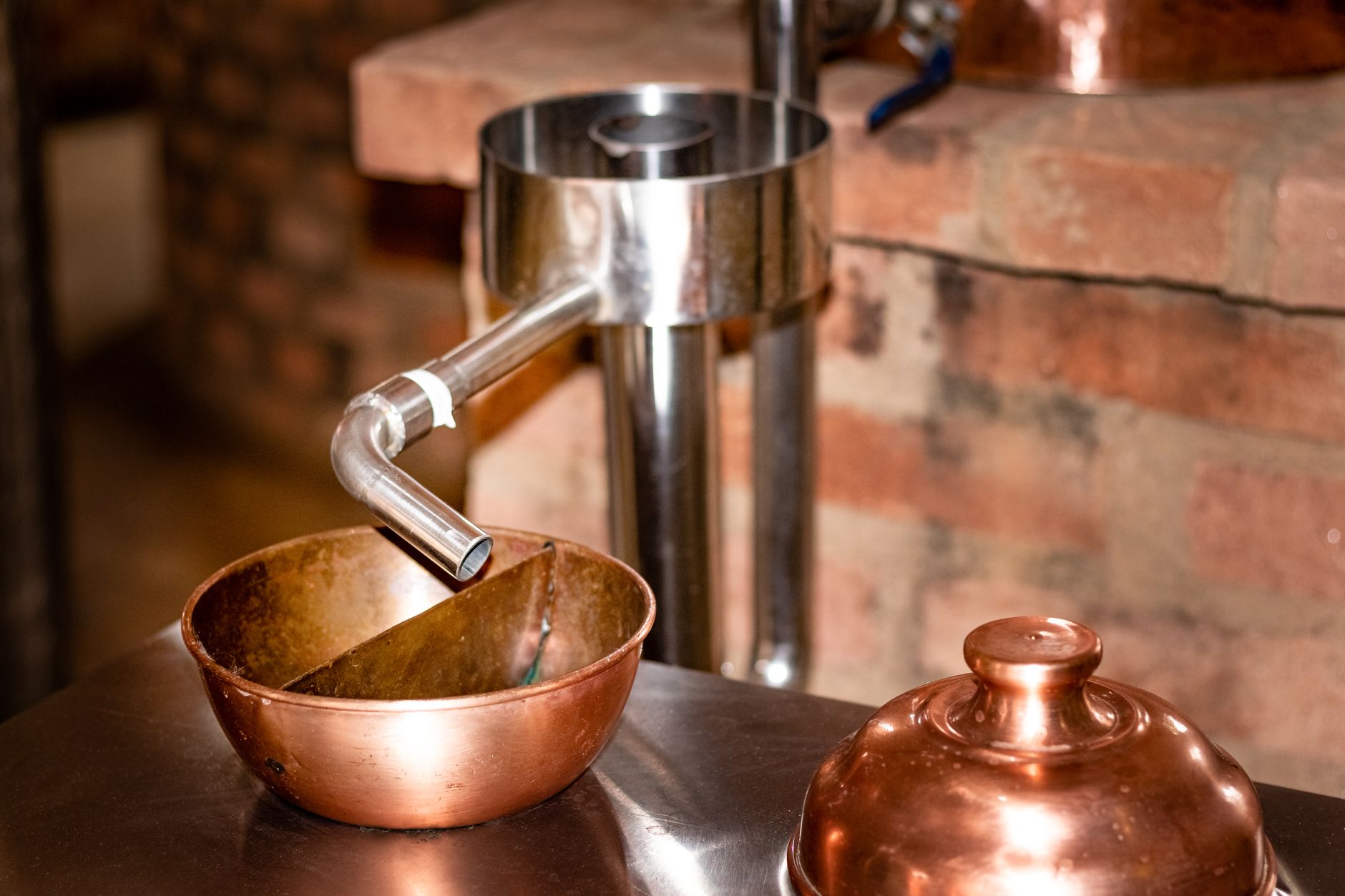
Distilled water is water that has been purified through a process called distillation. In simple terms, water is heated until it turns to steam, and that steam is then collected and condensed back into liquid form. During this process, impurities — including minerals, heavy metals, bacteria, and other contaminants — are left behind. The result is one of the purest forms of water available.
Unlike tap water, which contains fluoride, chlorine, and dissolved minerals depending on the region, or filtered water, which removes some but not all contaminants, distilled water is essentially H₂O in its most stripped-back form.
How Distillation Differs from Other Water Purification Methods
It’s worth understanding the distinction between distilled water and other common types:
- Filtered water passes through a physical or chemical filter (like activated carbon) to remove certain contaminants but retains most minerals
- Purified water is a broad term that includes distillation, reverse osmosis, and deionisation — so distilled water is technically a subset
- Spring water and mineral water are sourced from natural underground sources and contain varying levels of dissolved minerals
- Reverse osmosis water removes many impurities similarly to distillation but uses pressure through a semi-permeable membrane rather than heat
In Australia, tap water quality varies significantly between cities. Melbourne’s water is generally considered very clean, while areas in outback Queensland or the Northern Territory may have higher mineral content or require additional filtration. This context matters when you’re thinking about how water interacts with branded drinkware products.
Why Water Quality Matters for Branded Drinkware
You might be wondering why a branded merchandise guide is talking about distilled water at all. Here’s the practical connection: the type of water used in and around your branded bottles, keep cups, and flasks directly affects how well those products perform and how long they last.
Limescale Build-Up and Product Longevity
Hard water — which is rich in dissolved calcium and magnesium — is notorious for leaving white, chalky residue inside metal and glass drinkware. This is called limescale, and it’s a genuine problem for branded stainless steel water bottles and travel mugs. If your team members in Perth or Adelaide are filling their branded bottles from hard water sources, they may notice build-up inside the bottle over time, which can affect both taste and hygiene.
Using distilled water eliminates this issue entirely. For organisations that want their branded merchandise to look great and perform well for years, educating staff on water quality is a small but meaningful step.
Stainless Steel Compatibility
High-quality stainless steel drinkware — particularly double-walled, vacuum-insulated bottles — is designed to last. However, certain minerals and chemicals can react with the interior surface over extended periods. Distilled water, being free of these reactive compounds, is the gentlest option for preserving the interior integrity of premium branded flasks and water bottles.
This is especially relevant if you’re investing in higher-end promotional drinkware. Understanding the return on investment data for promotional drinkware in 2026 shows that well-maintained, high-quality bottles generate more brand impressions over a longer period — making water quality a real consideration in your merchandise strategy.
Cleaning and Maintenance
When it comes to cleaning branded drinkware (particularly glass or ceramic mugs used in office environments), distilled water used in steam cleaners or as a rinse agent can prevent water spots from forming. Anyone who’s ever pulled a beautiful branded glass keep cup out of a dishwasher only to find it spotted and dull will understand the frustration. Using a distilled water rinse as a final step keeps glassware looking polished and professional.
Practical Applications for Businesses and Event Organisers
So how does this knowledge translate into real-world branded merchandise decisions? Let’s look at a few common scenarios.
Corporate Office Drinkware Programs
Many businesses across Australia are moving away from single-use plastic cups and investing in branded reusable bottles and mugs for their teams. If your Sydney or Melbourne office has a coffee machine or water cooler, you’re already managing water quality behind the scenes. Incorporating this awareness into your drinkware program — recommending that team members rinse their bottles with filtered or distilled water — is a small step that extends product life.
If you’re in the process of choosing the best gifts for employees, premium insulated water bottles make consistently high-performing choices, especially when paired with care guidance.
Conference and Event Drinkware
At large-scale events — whether a Canberra government summit or a Gold Coast corporate retreat — branded water bottles are among the most popular giveaways. They’re practical, visible, and well-received. Event organisers who provide refill stations with filtered or purified water alongside branded bottles create a more cohesive, premium experience.
Pairing drinkware with other thoughtful giveaways, like Melbourne Cup branded gift packs for race day events, can elevate your event merchandise strategy significantly.
Eco-Conscious Organisations
For businesses and councils prioritising sustainability, choosing reusable branded drinkware is a natural extension of their values. Understanding water quality supports that commitment — fewer replacements due to damaged or degraded products means less waste overall. If you’re already exploring eco-friendly promotional items for your next campaign, pairing them with educational care guides (including tips on water quality) shows thoughtfulness and genuine commitment to sustainability.
Choosing the Right Branded Drinkware for Your Organisation
With water quality considerations in mind, here are some practical tips for selecting branded drinkware that will stand the test of time.
Material Matters
- Stainless steel (double-walled): Best overall durability, retains temperature well, compatible with all water types when properly cared for
- Glass: Premium look and feel, easy to clean, no flavour transfer, but more fragile — best for office or event settings
- BPA-free plastic (Tritan): Lightweight, ideal for outdoor and sporting events, but may show mineral staining over time
- Ceramic: Popular for keep cups and mugs, excellent for branded office drinkware programs
Decoration Methods for Drinkware
Different drinkware materials require different decoration approaches:
- Laser engraving: Ideal for stainless steel and aluminium, creates a permanent, sophisticated finish that won’t peel or fade
- Screen printing: Cost-effective for high-volume plastic bottle orders with simple artwork
- Pad printing: Suitable for curved surfaces on mugs and bottles
- Sublimation: Excellent for all-over colour coverage, particularly on polymer-coated stainless steel or ceramic mugs
If you’re working with a promotional products supplier in Australia, they’ll be able to advise on the best decoration method for your specific product, artwork, and budget.
Minimum Order Quantities and Budgeting
Branded drinkware typically comes with MOQs (minimum order quantities) ranging from as low as 25 units for premium laser-engraved stainless steel bottles to 100+ units for screen-printed plastic options. Budget-conscious organisations should factor in setup fees, which vary by decoration method, alongside the per-unit cost.
For events and conferences, ordering in the 250–500 range often unlocks the most competitive pricing tiers. If you’re looking for local sourcing options, finding printing services close to you can help reduce lead times and freight costs.
Turnaround Times
Standard production and delivery in Australia typically takes 10–15 business days after artwork approval. For rush orders — common with last-minute event planning — express turnarounds of 5–7 business days may be available at an additional cost. Always confirm artwork requirements (file formats, minimum resolution, colour modes) with your supplier early in the process.
Other Branded Merchandise Worth Pairing with Drinkware
Drinkware rarely works alone in a well-rounded merchandise strategy. Consider complementing your branded bottles with:
- Custom tote bags or backpacks to carry drinkware to and from events
- Branded stationery sets including notebooks and pens — see our guide to custom mouse pads for trade show giveaways for ideas on pairing desk accessories
- Branded chocolates or food items for gift packs — branded chocolates for corporate gifts in Australia pair beautifully with premium keep cups
- Eco-friendly products that align with sustainable drinkware choices
For sporting events, schools, and community organisations, our roundup of school sport Australia merchandise and promotional products for sports businesses in Sydney offer excellent ideas for complementary items.
Conclusion: Key Takeaways
Understanding what distilled water is might seem like a niche topic for a branded merchandise guide — but the connection is genuinely practical. Water quality directly affects how your branded drinkware looks, performs, and lasts. Here’s a summary of what to keep in mind:
- Distilled water is the purest form of water, produced through heating and condensing steam to remove minerals, bacteria, and contaminants
- Hard water causes limescale build-up inside stainless steel and glass drinkware, shortening the life of premium merchandise — using distilled or filtered water helps prevent this
- Proper care of branded drinkware extends its lifespan, meaning more brand impressions over time and better return on your merchandise investment
- Material and decoration method selection should account for how the drinkware will be used and maintained in real-world environments
- Pairing drinkware with complementary merchandise — from custom printed frisbees for beach and park promotions to branded food items — creates a more memorable and cohesive brand experience
Whether you’re outfitting a corporate team in Darwin, sourcing conference giveaways in Adelaide, or building a staff wellness program in Hobart, branded drinkware remains one of the most effective promotional products available. Treat it well — and educate your recipients to do the same — and it will keep working for your brand long after the event wraps up.