
Top Rated Custom T-shirts In Australia
Learn about top rated custom t-shirts in australia for Australian businesses. Expert tips and advice from Custom Merch Co.

Written by
Aria Patel
Buying Guides & Tips
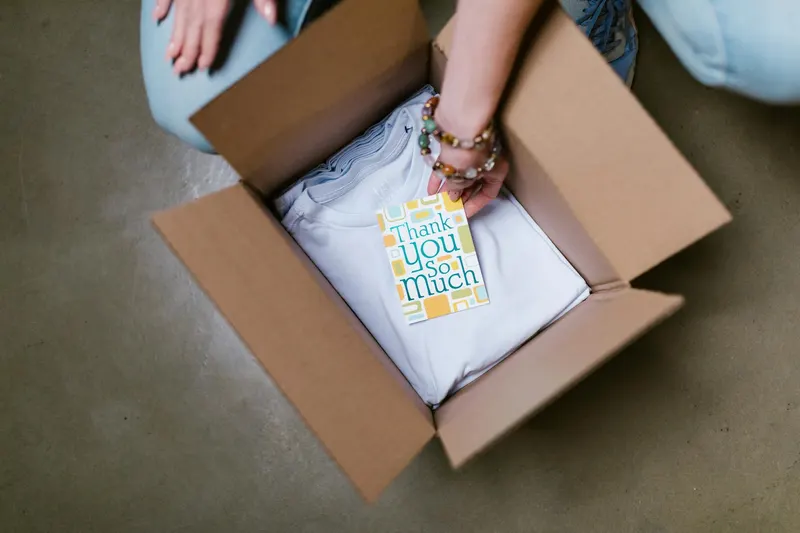
Finding the right supplier for custom t-shirts in Australia can feel overwhelming — especially when you’re juggling deadlines, artwork approvals, and budget sign-offs all at once. Whether you’re kitting out a corporate team in Melbourne, ordering event merchandise for a Sydney trade show, or outfitting volunteers for a Brisbane charity run, the quality of your custom tees will directly reflect on your brand. That’s why understanding what separates top rated custom t-shirts in Australia from average options is so important before you commit to an order. In this guide, we’ll walk you through everything you need to know — from choosing the right fabric and decoration method to managing timelines and avoiding common ordering mistakes.
What Makes a Custom T-Shirt “Top Rated”?
Not all custom t-shirts are created equal, and in the Australian market, there’s a significant difference between budget blanks that fade after a few washes and premium garments that hold their shape, colour, and print quality for years. So what exactly should you be looking for?
Fabric Quality and GSM
Fabric weight, measured in grams per square metre (GSM), is one of the most telling indicators of t-shirt quality. A lightweight promotional tee might come in at around 140–160 GSM, which is fine for a one-day event or trade show giveaway. However, if you’re ordering corporate workwear, team uniforms, or merchandise that recipients will actually wear regularly, you’ll want to aim for 180–200 GSM or higher.
Cotton and cotton-blend fabrics remain the most popular choice for custom tees in Australia. 100% cotton breathes well in our warmer climate — something that staff in Darwin, Perth, or Brisbane will genuinely appreciate. Cotton-polyester blends, on the other hand, offer better moisture-wicking properties and tend to hold their shape through repeated washing, making them ideal for sports teams and active workwear environments.
Print Quality and Decoration Method
The decoration method used on your tees plays a huge role in the final result. The most common options you’ll encounter in Australia include:
- Screen printing — Best for bulk orders with simple designs and limited colours. Delivers vibrant, durable results and is cost-effective at volume. Typical MOQ is 25–50 pieces.
- Direct-to-garment (DTG) printing — Ideal for detailed, full-colour artwork or smaller runs. No screens required, so it suits orders with complex designs or multiple colourways.
- Heat transfer printing — Suitable for names, numbers, and smaller customisation jobs. Common for sports uniforms and personalised items.
- Sublimation printing — Works only on polyester or polyester-blend fabrics. Produces vivid, all-over prints that won’t crack or fade, popular for sports jerseys and event tees.
For a deeper look at which method suits your project, check out our guide to choosing the right decoration method for custom apparel.
Sizing Inclusivity and Range
Top rated suppliers will offer a comprehensive size range — from XS through to 5XL — because nothing undermines a team uniform order more than discovering key staff or team members can’t be fitted properly. Always ask your supplier about extended sizing availability before you finalise artwork, especially for large corporate or community orders.
Key Factors to Consider When Ordering Top Rated Custom T-Shirts in Australia
Understanding what makes a quality tee is only half the equation. The ordering process itself involves a number of decisions that can significantly impact your final result and overall experience.
Choosing the Right Blank Garment
Australian promotional products suppliers work with a range of wholesale garment brands. When briefing a supplier, don’t just focus on price — ask about the garment’s fabric composition, wash ratings, and whether it’s been ethically sourced. Increasingly, Australian organisations — particularly councils, universities, and not-for-profits — are prioritising suppliers who can provide GOTS (Global Organic Textile Standard) certified or Fair Wear Foundation accredited garments.
If sustainability is a priority for your organisation, read our guide on eco-friendly promotional products for Australian businesses for a broader overview of green merchandise options.
Understanding Minimum Order Quantities
MOQs for custom t-shirts in Australia vary depending on the decoration method and supplier. As a general guide:
- Screen printing: 25–50 pieces per design/colour combination
- DTG printing: As low as 1–5 pieces, though unit costs are significantly higher at low quantities
- Sublimation: Typically 20–50 pieces, depending on garment style
- Heat transfer: Often available from 10–12 pieces
If you’re ordering for a small team or a one-off event, DTG printing offers flexibility without the setup fees associated with screen printing. For bulk orders — say, 200+ tees for a Gold Coast conference — screen printing will almost always deliver better value per unit.
Setting a Realistic Budget
Budget is, understandably, front of mind for most buyers. Custom t-shirts in Australia can range from as little as $8–$12 per unit for a basic 150 GSM screen-printed tee in bulk, through to $30–$50+ per unit for premium garments with intricate multi-colour or embellished decoration.
A few budget factors worth accounting for upfront:
- Setup fees: Screen printing typically involves a one-off setup fee per colour per screen, usually $30–$60 per screen. These costs decrease in impact as order quantities increase.
- Artwork preparation: If your logo or design needs to be redrawn or separated for print, there may be artwork fees. Always supply vector files (AI, EPS, or PDF) where possible.
- Sample orders: Requesting a pre-production sample adds cost and time but is highly recommended for large or high-value orders.
For a comprehensive breakdown of what to expect financially, take a look at our complete guide to budgeting for branded merchandise.
Turnaround Times and Lead Times
Standard production turnaround for custom t-shirts in Australia is typically 10–15 business days once artwork is approved. Rush orders are often available for an additional fee, sometimes compressing timelines to 5–7 business days — but this isn’t something to rely on without confirming capacity with your supplier first.
Freight also adds time, particularly for deliveries to regional areas or interstate. A Perth or Darwin-based organisation ordering from an east-coast supplier should factor in an additional 3–5 business days for delivery. Planning ahead and building buffer time into your project schedule will save you significant stress.
If you’re managing a time-sensitive event order, our article on how to manage tight turnaround times for promotional products covers strategies to keep your project on track.
Getting Your Artwork Right for Custom T-Shirts
One of the most common causes of delays and disappointing results in custom t-shirt orders is poorly prepared artwork. This is an area where a little preparation upfront saves a lot of headaches later.
File Formats and Resolution
For screen printing and embroidery, vector artwork (Adobe Illustrator .AI, .EPS, or editable .PDF files) is the gold standard. Vector files can be scaled to any size without losing quality, and they allow the decorator to accurately separate colours for printing.
For DTG and sublimation printing, high-resolution raster files (300 DPI at print size) in .PNG or .TIFF format work well — especially for designs with gradients, photographic elements, or complex colour blending.
If your artwork needs to be redrawn or vectorised, most reputable suppliers offer this as a paid service. It’s worth investing in a clean, print-ready version of your logo that you can use across multiple merchandise orders going forward. Our guide to preparing artwork for custom merchandise orders walks through the full process in plain English.
PMS Colour Matching
For corporate orders where brand consistency is non-negotiable — think a Sydney financial services firm or an Adelaide government department — specifying Pantone (PMS) colours ensures your brand colours are replicated accurately across every garment. Always reference PMS codes rather than relying on how colours appear on screen, as monitor calibration can significantly distort colour perception.
Common Mistakes to Avoid When Ordering Custom Tees
Even experienced buyers occasionally fall into traps that could have been avoided with a bit of foresight. Here are some of the most common pitfalls:
- Ordering without a size breakdown: Collect sizes from your team or recipients before placing your order rather than guessing. Reprinting or reordering missed sizes is expensive and time-consuming.
- Skipping the sample stage: For orders over 100 units, always request a pre-production sample to check garment quality, fit, and print accuracy before full production begins.
- Leaving it too late: Custom t-shirts with specialised decoration require production time. Approaching a supplier two days before your event rarely ends well.
- Ignoring washcare instructions: Advise recipients on how to properly wash their printed tees — particularly screen-printed garments — to maximise longevity (turn inside out, cold wash, avoid tumble drying).
- Not considering garment colour in design: Dark-coloured tees require an underbase layer for light-coloured inks, which adds to setup costs and can slightly affect print texture. Factor this in when selecting garment colours.
For more guidance on avoiding ordering errors, read our post on the most common custom merchandise mistakes and how to avoid them.
Industries and Use Cases for Custom T-Shirts in Australia
The versatility of the custom t-shirt is one of its greatest strengths. Across Australia, organisations of every size and sector use them for an enormous range of purposes:
- Corporate events and conferences: Branded staff tees create a unified, professional appearance at trade shows, expos, and large-scale corporate events.
- Schools and universities: Custom tees for sports carnivals, camps, and graduations are a staple for educational institutions from Darwin to Hobart.
- Sporting clubs: Community football, netball, cricket, and soccer clubs across regional and metropolitan Australia rely on custom tees for training, merchandise, and fundraising.
- Charities and not-for-profits: Event tees for fun runs, awareness campaigns, and volunteer programs help build community and brand recognition simultaneously.
- Hospitality and retail: Branded staff uniforms for cafes, restaurants, and retail stores in Melbourne’s laneways or Brisbane’s CBD create a polished customer-facing presentation.
Explore more use cases in our roundup of the best promotional products for corporate events in Australia.
How to Evaluate Suppliers for Top Rated Custom T-Shirts in Australia
With so many options in the market, choosing the right supplier is as important as choosing the right product.
Look for suppliers who:
- Provide clear, upfront pricing including setup fees and freight costs
- Offer artwork support and proofing before production begins
- Have an established quality control process and can share production samples or reviews
- Stock a diverse garment range across styles, fits, and size ranges
- Are transparent about turnaround times and communicate proactively about any delays
It’s also worth checking whether your supplier can handle related products alongside your tees — coordinating caps, bags, or branded lanyards as part of a single order saves time and simplifies logistics. Our guide to ordering a complete corporate merchandise kit has practical tips for managing multi-product orders efficiently.
For event organisers specifically, understanding the full scope of what’s available will help you build a more cohesive merchandise offering. Take a look at our article on choosing branded merchandise for events and conferences for inspiration and practical guidance.
Key Takeaways
Sourcing top rated custom t-shirts in Australia doesn’t have to be complicated — as long as you know what to look for and plan your order properly. Here are the most important points to carry with you:
- Prioritise fabric quality: Aim for 180–200 GSM for garments that will be worn regularly; lighter weights are fine for single-use events and giveaways.
- Match your decoration method to your needs: Screen printing offers the best value at volume; DTG is ideal for complex artwork or small runs; sublimation delivers vibrant all-over results on polyester fabrics.
- Budget for the full picture: Factor in setup fees, artwork preparation, freight, and sample costs — not just the per-unit price.
- Prepare your artwork in advance: Supply vector files where possible, reference PMS colours for brand-critical orders, and allow time for proofing.
- Plan ahead: Standard production takes 10–15 business days, so build in buffer time — especially if you’re shipping to regional areas or coordinating across multiple states.
With the right preparation and a reliable supplier, your custom t-shirt order can be a seamless, rewarding experience that delivers real value for your brand, team, or event.