
Eco-Friendly Promotional Items for Sustainable Australian Businesses
Explore sustainable promotional items that demonstrate environmental responsibility. Discover eco-friendly branded merchandise options for conscious brands.

Written by
Ivy McGregor
Eco & Sustainable Products
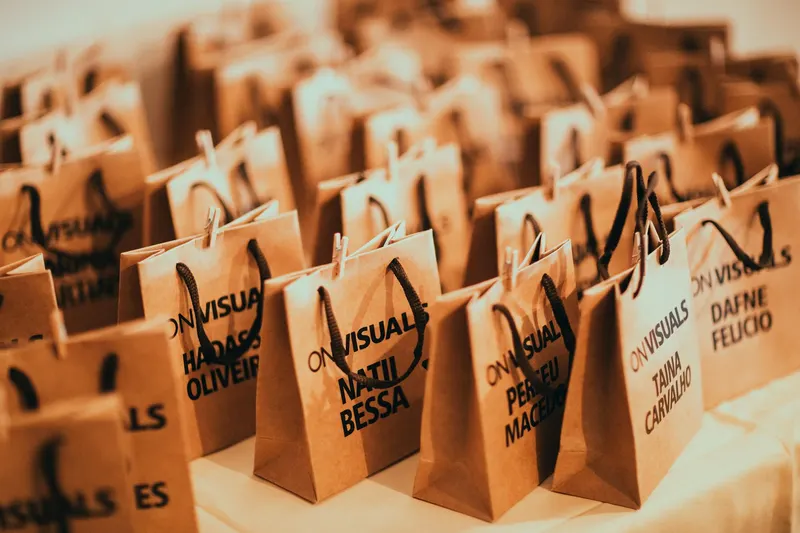
Sustainability is no longer a buzzword — it’s a business expectation. Australian organisations across every sector are under increasing pressure to demonstrate genuine environmental responsibility, and the choices they make around branded merchandise are no exception. If you’re sourcing promotional items eco friendly enough to align with your organisation’s values, you’ll find the market has evolved dramatically. The options available today go far beyond the token recycled pen or bamboo coaster. From reusable drinkware and organic apparel to compostable packaging and ocean-bound plastics, the eco-friendly promotional product category has matured into a genuinely impressive range of high-quality, practical items that recipients actually want to keep and use.
This guide walks you through everything you need to know — from product categories and decoration methods to budgeting, MOQs, and making smart choices that reflect well on your brand.
Why Eco-Friendly Promotional Items Matter for Australian Businesses
The shift toward sustainable branded merchandise isn’t just a feel-good decision — it’s a strategic one. Research consistently shows that consumers and employees place greater trust in organisations that walk the talk on sustainability. When a Sydney-based financial services firm hands out bamboo keep cups at their annual conference, or a Melbourne council distributes reusable tote bags at a community event, the message is clear: this organisation takes its environmental commitments seriously.
Beyond brand perception, there are very practical reasons to choose eco-friendly promotional products:
- Longevity of use: Sustainable products like quality stainless steel water bottles or organic cotton tote bags tend to be built to last. The longer an item is used, the more brand impressions it generates over its lifetime.
- Alignment with procurement policies: Many government departments, universities, and large corporates now have sustainability requirements embedded in their procurement frameworks. Choosing eco-friendly promotional items helps suppliers and organisations stay compliant.
- Staff pride and engagement: Employees are more likely to use and value merchandise that reflects the organisation’s stated values. Gifting a recycled notebook or a wheat straw coffee cup sends a very different signal than a cheap plastic giveaway.
- Reduced waste at events: Single-use plastic giveaways are increasingly unwelcome at conferences, trade shows, and community events. Eco-conscious alternatives ensure your promotional spend contributes to a better experience rather than landfill.
For organisations just beginning their sustainability journey, starting with merchandise is a highly visible and accessible place to make a tangible difference.
Popular Eco-Friendly Promotional Items Worth Considering
Reusable Drinkware
Perhaps no category has seen more growth in the eco-friendly space than drinkware. Reusable coffee cups, stainless steel drink bottles, and glass tumblers are now among the most requested promotional items for good reason — they replace thousands of single-use cups and plastic bottles over their lifetime.
Stainless steel insulated drink bottles are particularly popular for corporate gifting, sporting clubs, and conference giveaways. They’re practical, highly visible, and take decoration beautifully — whether that’s laser engraving for a premium, permanent finish, or full-colour printing for a bold brand statement.
Reusable keep cups made from recycled or plant-based materials are another strong choice. A Brisbane tech company distributing branded keep cups to 200 staff members not only generates ongoing brand exposure every morning coffee — it also removes a significant volume of disposable cups from circulation over time.
For tips on selecting the right finish for drinkware, see our guide to laser engraving vs pad printing for branded products.
Organic and Recycled Apparel
Custom apparel is one of the most impactful categories in promotional merchandise, and the eco-friendly options have never been better. Organic cotton t-shirts, recycled polyester polos, and bamboo-blend hoodies are now widely available with competitive pricing and excellent print quality.
When ordering custom apparel with sustainability in mind, look for certifications like GOTS (Global Organic Textile Standard) or OEKO-TEX to ensure claims are verified. Screen printing and sublimation work exceptionally well on organic and recycled fabrics, so decoration quality doesn’t have to be compromised for the sake of sustainability.
A Gold Coast sporting club ordering custom jerseys from recycled plastic bottles, or a Canberra not-for-profit distributing organic cotton volunteer t-shirts — these are the kinds of applications where eco-friendly apparel truly shines. To explore apparel decoration options in more depth, check out our overview of screen printing vs embroidery for custom apparel.
Sustainable Bags
Tote bags have become synonymous with eco-friendly promotion — and for good reason. A well-made cotton, jute, or recycled material tote bag is something people genuinely use repeatedly, making it one of the best value-per-impression products available.
Beyond the standard tote, the sustainable bag category now includes:
- Recycled PET backpacks: Made from post-consumer plastic bottles, these are popular for corporate teams, university orientation packs, and conference delegates.
- Jute and hessian bags: A natural, biodegradable option well suited to market days, community events, and retail promotions.
- RPET cooler bags: Combining functionality with sustainability, these are a popular choice for corporate gifting and outdoor events.
Read more about choosing the right bag for your promotion in our guide to branded tote bags and eco-friendly alternatives.
Bamboo and Natural Material Products
Bamboo has become a staple of the eco-friendly promotional product range — and it’s easy to see why. It’s fast-growing, renewable, biodegradable, and has a premium look and feel that elevates any branded item. Popular bamboo promotional products include:
- Bamboo pens and stationery sets
- Bamboo tech accessories (phone stands, wireless chargers, USB hubs)
- Bamboo lunch boxes and utensil sets
- Bamboo notebooks with recycled paper pages
Laser engraving is the preferred decoration method for bamboo items, producing a clean, natural-looking brand mark that suits the material beautifully. For more on eco-friendly stationery options, visit our post on sustainable branded stationery for the modern workplace.
Seed Paper and Plantable Products
For organisations seeking something genuinely memorable and zero-waste, plantable seed paper products are a standout option. Seed paper business cards, event programs, bookmarks, and notepads are embedded with wildflower or herb seeds — once used, they can be planted directly in the ground. This is particularly popular for environmental organisations, wellness brands, and sustainability-focused events in cities like Adelaide and Hobart where community and environment resonate strongly with audiences.
Decoration Methods for Eco-Friendly Promotional Items
Choosing sustainable products is only part of the equation — the decoration process matters too. Some key considerations:
- Water-based inks: Look for suppliers using water-based or plastisol-free inks for screen printing. These have a significantly lower environmental impact than standard inks.
- Laser engraving: A chemical-free decoration process ideal for bamboo, metal, and timber products. It produces no waste by-products and creates a highly durable finish.
- Digital printing: Modern direct-to-garment and digital pad printing systems use far less ink waste than older processes, making them a more sustainable option when used on appropriate materials.
- Avoiding unnecessary packaging: Request that your order is packed in minimal, recycled, or compostable packaging rather than individual plastic bags.
Understanding decoration methods helps you make a fully informed sustainability decision — not just about the product itself, but about how it’s produced. For a broader overview, read our introduction to decoration methods for branded merchandise.
Budgeting and MOQs for Eco-Friendly Promotional Products
One of the most common concerns organisations raise is cost. It’s true that eco-friendly promotional items can carry a higher unit price than conventional alternatives — but the gap has narrowed considerably as demand has grown and production has scaled up.
Here’s how to approach budgeting smartly:
Understand the True Cost Per Impression
A bamboo pen that someone uses for two years generates far more brand impressions than a cheap plastic pen discarded after a week. When you factor cost per impression rather than unit cost alone, the maths often favours the sustainable option.
Order in Bulk to Reduce Unit Pricing
Most eco-friendly promotional products follow standard bulk pricing tiers. Minimum order quantities (MOQs) typically start between 25 and 100 units depending on the product, with significant price breaks at 250, 500, and 1,000 units. A Perth corporate team ordering 500 branded recycled drink bottles will see a very different unit price than an order of 50.
For guidance on managing costs across a larger order, see our article on how to budget for promotional merchandise.
Factor in Setup Fees and Artwork
Setup fees apply to most decoration methods and typically range from $50 to $150 per colour or design element. If you’re ordering eco-friendly items in multiple colourways or with complex artwork, these fees add up. Providing print-ready artwork from the outset can help streamline the process and reduce revision rounds.
For artwork preparation tips, our guide to preparing artwork for branded merchandise covers everything you need to know.
Choosing the Right Eco-Friendly Products for Your Audience
The best eco-friendly promotional item is the one your audience will actually use. Here are some practical match-ups to guide your selection:
- Corporate conferences and trade shows: Reusable coffee cups, recycled notebooks, bamboo pens, RPET bags
- Schools and universities: Organic cotton tote bags, recycled stationery, plantable seed bookmarks
- Government and council events: Reusable drinkware, jute bags, sustainably sourced lanyards
- Sporting clubs and outdoor events: Recycled PET drink bottles, organic cotton caps, eco-friendly sunscreen
- Retail and hospitality: Bamboo product ranges, reusable beeswax wraps, recycled glass drinkware
For sector-specific ideas, explore our post on the best promotional products for corporate events and our guide to promotional merchandise for schools and universities.
What to Look For When Sourcing Eco-Friendly Promotional Items
Not all eco claims are equal. Greenwashing — the practice of making misleading sustainability claims — is a genuine concern in the promotional products industry. Here’s what to ask your supplier:
- Can you provide certification documentation for organic or recycled content claims?
- Where is the product manufactured, and what are the labour standards?
- What is the product made from specifically — recycled PET, bamboo fibre, organic cotton?
- Is the packaging sustainable or will items arrive wrapped in single-use plastic?
- What happens at end of life — is the product recyclable, compostable, or likely to end up in landfill?
These questions help you make genuinely informed choices and protect your organisation from reputational risk. For a deeper dive into evaluating suppliers, read our checklist for choosing a promotional merchandise supplier.
Conclusion: Making the Switch to Eco-Friendly Promotional Items
The transition to sustainable branded merchandise is one of the most meaningful steps an organisation can take in making its values visible. Whether you’re a Brisbane startup equipping your team with organic cotton merch or a Darwin government department sourcing conference materials for hundreds of delegates, promotional items eco friendly to your sustainability goals are more accessible, more affordable, and more impressive than ever before.
Here are the key takeaways to keep in mind as you plan your next order:
- Quality matters: Choose eco-friendly promotional products designed to last — longevity equals greater value and fewer brand impressions wasted.
- Verify sustainability claims: Ask for certifications and detailed material information; don’t accept vague eco language at face value.
- Match product to audience: The most sustainable product is one that gets used repeatedly, so prioritise practicality alongside environmental credentials.
- Factor in the full picture: Consider decoration methods, packaging, and end-of-life as well as the product itself.
- Budget smartly: Order in sufficient quantities to access bulk pricing, and factor in cost per impression rather than unit cost alone.
Sustainable promotional merchandise isn’t a compromise — it’s an upgrade. With the right guidance and a clear brief, you can source branded items that your audience will genuinely love while demonstrating your organisation’s commitment to a better future.