
Printed T-Shirts in Australia: The Complete Ordering Guide for Businesses and Teams
Everything Australian businesses and event organisers need to know about ordering printed t-shirts — decoration methods, MOQs, budgeting, and more.

Written by
Max Sharma
Custom Apparel
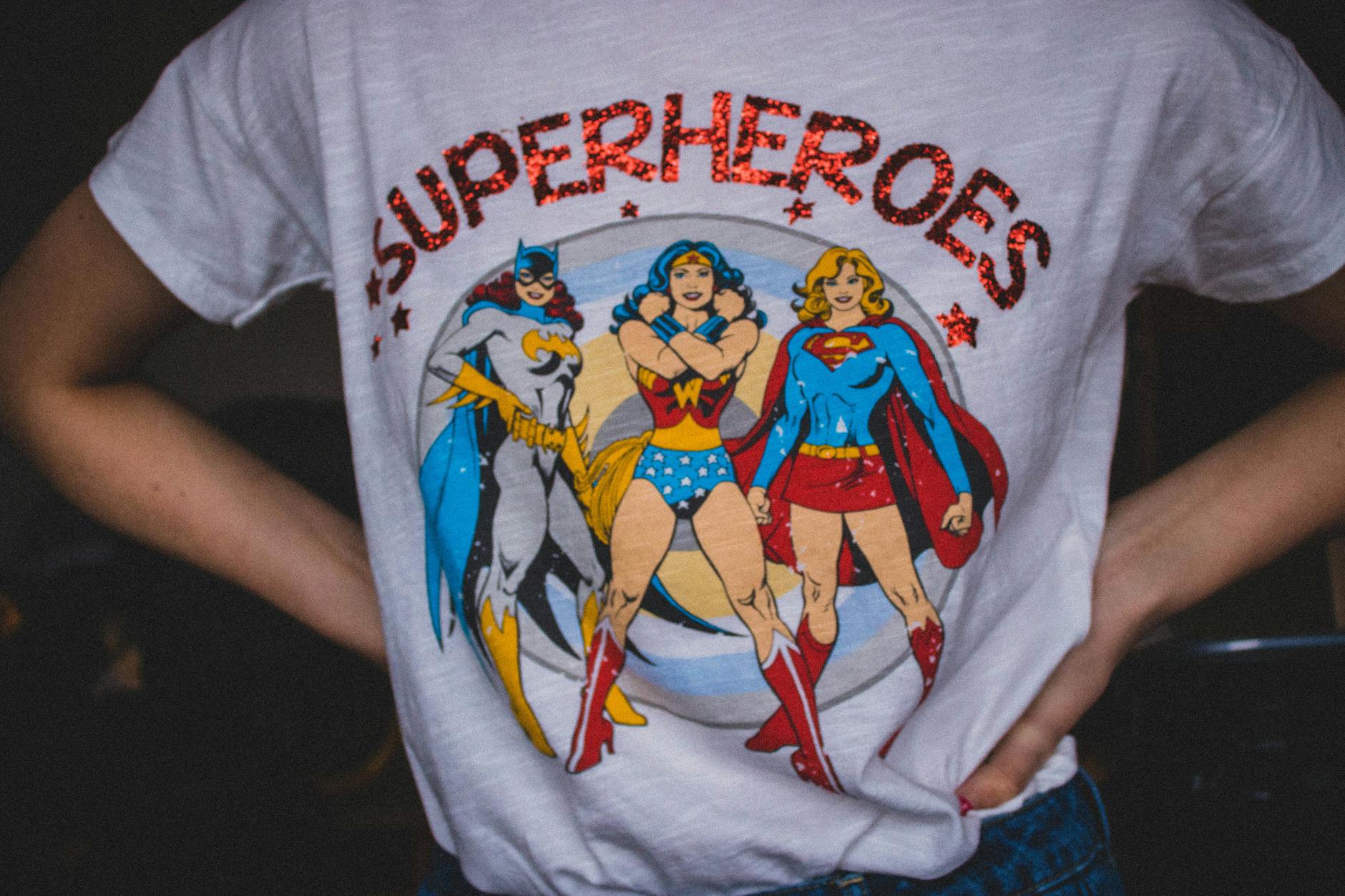
Whether you’re kitting out a corporate team for a brand activation, organising uniforms for a charity fun run, or creating merchandise for a trade show, printed t-shirts in Australia remain one of the most versatile and cost-effective branding tools available. They’re wearable, practical, and — when done well — genuinely impressive. But with so many decoration methods, fabric options, suppliers, and price points to navigate, the ordering process can feel overwhelming if you haven’t done it before. This guide covers everything you need to know to get your order right the first time.
Why Printed T-Shirts Remain a Staple of Australian Branded Merchandise
It’s no surprise that custom t-shirts consistently rank among the most popular promotional products ordered by Australian businesses and organisations. According to data on the promotional product industry revenue statistics in Australia, apparel is one of the top-performing categories year after year — and t-shirts sit right at the heart of that.
The appeal is straightforward. A well-designed printed t-shirt gives your brand enormous visibility. Every time someone wears it — at an event, on their commute, at the gym — your logo is in front of new eyes. For businesses that attend trade shows and expos, staff uniforms in branded tees immediately create a professional, cohesive presence. For community organisations and sporting clubs, they build team identity and pride.
And the versatility is hard to beat. From a Sydney tech startup issuing branded tees to new employees, to a Gold Coast event organiser outfitting hundreds of volunteers, to a Perth school fundraising committee running an end-of-year merchandise campaign — printed t-shirts work across virtually every context and budget.
Understanding Your Decoration Options for Printed T-Shirts in Australia
Choosing the right decoration method is one of the most important decisions in your ordering process. Each technique has its strengths, and the best choice depends on your design, quantity, budget, and intended use.
Screen Printing
Screen printing is the industry workhorse — and for good reason. It produces vivid, durable prints that hold up wash after wash, making it ideal for staff uniforms, event tees, and merchandise that will see regular wear. It’s most cost-effective at higher quantities (typically 50+ units), as setup fees are spread across the order.
The main limitation is colour count. Each colour in your design requires a separate screen, which adds to setup costs. If your logo uses three or fewer spot colours and you’re ordering in volume, screen printing is almost always the best value. For artwork guidance on preparing your files correctly, take a look at our guide to vector vs raster artwork for custom merchandise printing — getting your files right upfront will save you time and money.
Direct-to-Garment (DTG) Printing
DTG printing works like an inkjet printer for fabric, allowing full-colour, photo-quality designs with no screens required. It’s perfect for small runs — even single units — and handles complex, multi-colour artwork with ease. The trade-off is that per-unit cost is higher at scale, so it’s best suited for short runs, personalised items, or designs with intricate colour gradients.
Heat Transfer and Vinyl
Heat transfer involves applying a design via heat and pressure, either through cut vinyl or printed transfer paper. It’s a good option for small batches, personalised names and numbers (particularly useful for sporting teams), and quick turnaround jobs. Vinyl finishes can look striking on dark garments.
Sublimation
Sublimation printing bonds dye directly into the fabric, producing full-bleed, all-over designs with exceptional colour vibrancy. It works exclusively on polyester fabrics and light-coloured garments. If you’re ordering performance sportswear or want a bold, edge-to-edge design, sublimation delivers stunning results. Our detailed breakdown of sublimated basketball singlets for school competitions shows just how impactful this method can be for sports applications.
Embroidery
While not technically “printing,” embroidery is worth mentioning here as a premium decoration option. It’s particularly popular for polo shirts, caps, and corporate uniforms where a professional, textured finish is desired. For plain t-shirts intended for events or casual wear, screen printing or DTG will generally be the more appropriate choice.
Choosing the Right T-Shirt for Your Order
The blank garment you print on matters just as much as the decoration method. A few key considerations:
Fabric Weight and Composition
T-shirts are typically measured in grams per square metre (GSM). Lighter shirts (140–160 GSM) are great for warm-weather events and giveaways, while mid-weight (180–200 GSM) offer a more premium feel for staff uniforms and retail merchandise. Cotton feels natural and soft; polyester wicks moisture and suits active wear; cotton-poly blends balance the two.
If you’re looking at specific blank shirt brands and their suitability for decoration, our guide to shirt brands for custom merchandise is a helpful starting point.
Fit and Sizing
Consider your audience carefully. Standard unisex sizing works well for events and giveaways, but if you’re ordering uniforms for a team, it’s worth offering fitted or women’s-specific cuts. Always request a size chart from your supplier before finalising your order quantities by size — getting the size breakdown wrong is one of the most common (and costly) mistakes in bulk ordering.
Colour Selection
Dark garments suit screen printing with plastisol inks or vinyl, while DTG printing delivers best results on white or light-coloured shirts. If PMS colour matching is important for your brand, confirm this with your supplier early — not all decoration methods support exact PMS matching.
Budgeting for Printed T-Shirts in Australia
Pricing for custom printed t-shirts in Australia varies considerably depending on several factors: the blank garment quality, decoration method, number of print locations, quantity ordered, and turnaround time.
As a rough guide, for screen-printed cotton tees with a one-colour, one-location print:
- 50 units: Expect to pay approximately $18–$28 per unit, including setup
- 100 units: Approximately $12–$20 per unit
- 250+ units: Can drop to $8–$14 per unit or lower, depending on garment quality
Setup fees for screen printing typically range from $30–$60 per colour, per location. These are one-time costs that make larger orders increasingly cost-effective.
For events like trade shows, the per-unit cost of branded apparel can be offset significantly by the marketing value they deliver. To see how apparel fits into a broader trade show merchandise strategy, our post on setting up a professional trade show stand has some useful context.
Budget-conscious organisations — including schools, charities, and sporting clubs — can often bring costs down by ordering standard colours, limiting print locations, and consolidating their order into a single bulk run. Many promotional products suppliers offer tiered pricing that rewards larger quantities.
Minimum Order Quantities and Turnaround Times
Most Australian suppliers have a minimum order quantity (MOQ) for printed t-shirts. For screen printing, MOQs are commonly set at 25–50 units, though some suppliers will accommodate smaller orders at a premium. DTG printing typically has no MOQ, making it accessible for small businesses and boutique brands.
Standard turnaround time in Australia is generally 10–15 business days from artwork approval. Rush orders (5–7 business days) are often available at an additional cost. If you’re ordering for a fixed event date — a conference, sports day, or product launch — factor in buffer time for proof approval and potential revisions. Ordering with at least three to four weeks’ lead time is a sensible rule.
For organisations based outside capital cities, including regional areas and interstate deliveries, allow additional time for freight. Businesses on the Sunshine Coast, for instance, should factor in delivery logistics when planning their timeline — our overview of promotional products in Sunshine Coast covers this for that region specifically.
Artwork and File Requirements
Getting your artwork right before you submit your order is essential. Poor-quality files lead to delays, additional charges, and disappointing results.
For screen printing and most other decoration methods, vector files (AI, EPS, PDF) are preferred — they scale to any size without losing quality. If you only have a raster file (JPEG, PNG), ensure it’s high resolution (at least 300 DPI at print size). Our in-depth guide on vector vs raster artwork for custom merchandise printing explains exactly what to prepare.
Most suppliers will send a digital proof before printing. Review it carefully — check colours, placement, sizing, and spelling. Once you approve the proof, the order moves to production and changes become costly or impossible.
Eco-Friendly Options for Printed T-Shirts
Sustainability is increasingly important to Australian businesses and their audiences. Many organisations — particularly in the government, education, and not-for-profit sectors — are actively seeking merchandise that aligns with their environmental values.
Eco-friendly t-shirt options include:
- Organic cotton – grown without synthetic pesticides or fertilisers
- Recycled polyester (rPET) – made from post-consumer plastic bottles
- Bamboo blends – soft, breathable, and sustainably sourced
Pairing an eco-friendly garment with water-based inks (common in screen printing) further reduces the environmental footprint of your order. For a broader look at sustainable merchandise options, our guide to recycled promotional items for sustainability-focused companies is worth a read.
Finding the Right Supplier for Your Printed T-Shirt Order
Choosing a reliable supplier is arguably the most important step. Look for suppliers who:
- Provide clear, itemised quotes that include setup fees, freight, and GST
- Offer free digital proofs before production
- Have demonstrated experience in your specific decoration method
- Can provide samples of blank garments for approval before a large run
- Have transparent turnaround time commitments
For businesses in Western Australia, our roundup of promotional product suppliers in WA can help you identify local options with faster turnaround and lower freight costs. If your team is also interested in other branded merchandise to complement your t-shirts — such as branded tote bags for events and giveaways — many suppliers offer package pricing across multiple product categories.
Conclusion: Key Takeaways for Ordering Printed T-Shirts in Australia
Ordering printed t-shirts in Australia doesn’t need to be complicated — but it does reward careful planning and informed decision-making. Here’s a quick summary of the most important points to keep in mind:
- Match your decoration method to your design and quantity: Screen printing offers the best value at volume; DTG is ideal for short runs and complex artwork; sublimation suits performance and all-over designs.
- Get your artwork right before you order: Vector files save time, money, and headaches. Review your proof carefully before approving.
- Plan your timeline realistically: Allow at least three to four weeks from brief to delivery, especially if your order includes artwork revisions.
- Consider the total cost, not just the unit price: Setup fees, freight, and GST all affect your final budget. Always request a fully itemised quote.
- Explore eco-friendly options: Organic cotton, rPET, and bamboo blends are increasingly available at competitive price points and demonstrate genuine commitment to sustainability.
For more guidance on building out your branded merchandise strategy — from apparel through to drinkware, bags, and beyond — explore our guide to top-rated custom t-shirts in Australia as a next step. Getting your printed t-shirts right is a solid foundation for a broader, more impactful merch programme.