
How to Sell Branded Hot Sauce Bottles as Food Truck Merchandise That Customers Love
Discover how food trucks across Australia can boost revenue with branded hot sauce bottles — from design tips to ordering, decoration, and pricing.

Written by
Grace Bennett
Industry Trends & Stats
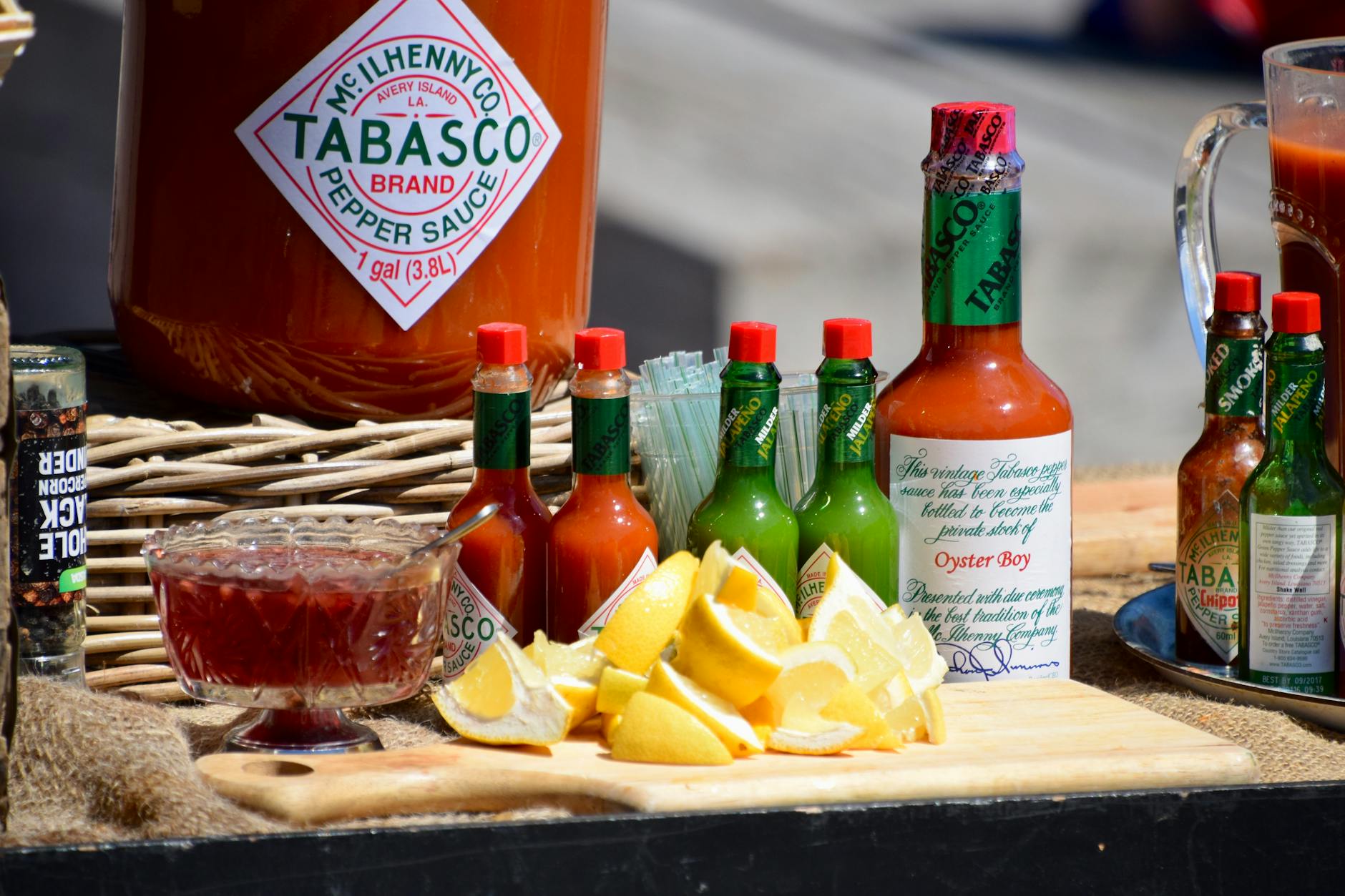
There’s a moment every successful food truck operator knows well — a customer finishes their meal, looks up with wide eyes, and asks, “Can I buy a bottle of that sauce to take home?” If you’re not already capitalising on that moment with branded hot sauce bottles for food truck merchandise sales, you’re leaving real money on the table. Retail merchandise is one of the smartest revenue streams a mobile food business can tap into, and a beautifully branded hot sauce bottle does double duty: it generates income and turns every fridge in Sydney, Melbourne, or Brisbane into a free billboard for your brand. This guide walks you through everything you need to know to get it right.
Why Branded Hot Sauce Bottles Work So Well as Food Truck Merchandise
Not every product makes sense as food truck merch. Branded caps and t-shirts are great — and if you’re curious, our guide to the top-rated custom t-shirts in Australia covers the apparel side of things — but consumable products like hot sauce sit in a uniquely powerful category. They’re functional, they’re desirable, and they create repeat customers.
Here’s why hot sauce bottles in particular perform so well:
They extend the experience. Your customers already love your food. A branded bottle lets them recreate the flavour at home, keeping your brand top-of-mind between visits.
They’re a natural upsell. At the point of sale, when someone is already excited about their meal, a $15–$25 branded bottle on the counter is an easy yes. The impulse-buy psychology here is strong.
They travel well. Unlike fresh food, a properly sealed sauce bottle can be gifted, mailed, or posted about on social media without spoiling. That organic reach is incredibly valuable.
They communicate quality. A well-designed, professionally labelled bottle signals that your operation is polished and serious about its brand. It elevates perception in a way that a generic squeeze bottle never could.
For food truck operators at markets in Adelaide, pop-up events on the Gold Coast, or permanent pitches in Melbourne’s street food precincts, branded merchandise can account for 10–20% of total revenue when executed thoughtfully.
Planning Your Branded Hot Sauce Bottle Range
Before you jump into design and print, there are a few key decisions to make about the product itself.
Choosing the Right Bottle Style
Hot sauce bottles come in several formats. The most common options you’ll encounter when working with a promotional products supplier are:
- Woozy bottles (the classic long-neck shape) — These are the industry standard for hot sauce and instantly recognisable. They tend to hold 148ml or 177ml and fit most standard labels cleanly.
- Round glass bottles — Slightly more premium in appearance, good for artisan or gourmet positioning.
- Square or hex bottles — These stand out on a shelf and are excellent for gifting, but label design requires more attention to surface shape.
- Plastic squeeze bottles — More affordable and practical for outdoor events, though they can compromise perceived quality.
For most food trucks targeting the premium end of the market, glass woozy bottles are the sweet spot between cost, aesthetics, and consumer expectation.
Minimum Order Quantities and Budgeting
If you’re ordering branded bottles through a merchandise supplier (as opposed to a specialty food packaging company), you’ll typically encounter MOQs of 100–500 units depending on the supplier and customisation level. For food trucks just starting out with merchandise, 150–200 units is a sensible first run — enough to test demand without overcommitting.
Budget considerations to factor in:
- Bottle cost — Typically $2–$6 per unit depending on material, size, and quantity
- Label printing — Custom labels with full-colour printing, $0.50–$2 per unit at reasonable volumes
- Sauce production — This varies significantly; co-packing arrangements with a local sauce manufacturer are common
- Setup fees — For label artwork, typically a one-off cost of $50–$150
At a retail price of $15–$25 per bottle, even a conservative margin makes this a strong performer. It’s worth looking at the broader promotional drinkware ROI data for 2026 to understand how physical branded products deliver returns over time — the same principles apply to consumable merchandise.
Designing Labels That Sell: Branding Best Practices
Your label is doing a lot of heavy lifting. It needs to communicate your brand personality, comply with Australian food labelling regulations, and still look stunning on a market stall counter or festival table.
Key Design Elements to Get Right
Brand consistency. Your hot sauce label should feel like a natural extension of your food truck’s visual identity — same colours, same fonts, same tone of voice. If your truck has a bold, illustrated mural aesthetic, bring that into the label design. If you run a minimalist, modern operation, keep the label clean and typographic.
Colour matching. If your brand uses specific Pantone or PMS colours, make sure your label printer can match them. Hot sauce labels are typically printed on BOPP (biaxially oriented polypropylene) material, which handles vibrant colours well and is moisture-resistant — important for bottles that’ll sit near condensation in a fridge.
Hierarchy of information. At a glance, a customer needs to see: your brand name, the product name (e.g. “Smoky Chipotle”), the heat level, and volume. Everything else — ingredients, allergens, best before dates — can live in a smaller font.
Heat scale icons. A simple visual indicator of spice level (chilli icons, a flame scale) adds immediate clarity and is a great branding element.
Australian Food Labelling Compliance
This is non-negotiable. Under Food Standards Australia New Zealand (FSANZ) regulations, commercially sold food products must include:
- Ingredients list in descending order by weight
- Allergen declarations
- Net quantity
- Country of origin statement
- Name and address of the responsible supplier
- Best before or use by date
If you’re sourcing labels through a merchandise supplier, make sure you supply all compliance copy to your designer before they finalise artwork. Reprinting labels due to missing allergen information is a costly and avoidable mistake.
Selling Branded Merchandise at Events and Beyond
Once your bottles are ready, the question becomes: where and how do you sell them most effectively?
At Your Food Truck
Point-of-sale placement is critical. A small branded display stand or tiered shelf on your service counter works well. Add a simple sign with pricing — something like “Take the heat home — $18” — and train your crew to mention it naturally when handing over food. If you’re also running branded signage, our article on custom signs in Brisbane has useful context on outdoor display options that complement your truck setup.
At Markets and Festivals
Food trucks operating at weekend markets in Perth, Hobart, or Darwin are well-positioned to push merchandise sales, particularly when foot traffic is browsing rather than rushing. A dedicated merchandise display — even a small fold-out table beside the truck — can double impulse purchases.
Consider bundling: a meal deal plus a bottle of sauce at a slight discount moves more units and increases average transaction value.
Online and Through Gift Packs
E-commerce is an increasingly viable channel for food truck merchandise. A branded hot sauce bottle ships easily and makes an excellent gift. Consider building a three-pack gift set in a branded box — this pairs well with eco-friendly promotional items if your boxes use recycled cardboard, which also aligns with growing consumer expectations around sustainable packaging.
Gift packs are particularly strong in the lead-up to Christmas, Father’s Day, and Melbourne Cup season.
Working With the Right Supplier
Finding a reliable merchandise partner matters enormously when you’re dealing with food-contact products. You want a supplier who understands label printing, can handle small-to-medium run quantities, and has experience with food-adjacent branded merchandise.
When evaluating suppliers, ask about:
- Whether they work with FSANZ-compliant label printers
- Their artwork approval process and proof turnaround
- Whether samples are available before full-run production
- Their experience with food truck clients or hospitality businesses
For operators in Western Australia, our guide to promotional products suppliers in WA is a useful starting point. More broadly, our overview of the promotional product industry in Australia gives helpful context on how to vet and work with suppliers effectively.
Turnaround times for labelled bottles typically run 2–3 weeks once artwork is approved. Factor this into your planning, especially if you’re targeting a specific event launch date.
Expanding Your Food Truck Merchandise Range
Hot sauce bottles are often just the beginning. Once you’ve established a merchandise habit with your customers, there’s a clear path to expanding the range. Popular additions for food trucks include:
- Branded keep cups or travel mugs — If you serve coffee or beverages, a quality branded travel mug is a perennial seller
- Custom t-shirts and caps — Apparel with your truck’s branding turns loyal customers into walking advocates
- Tote bags — Practical, visible, and easy to bundle with merchandise orders
- Stickers and patches — Low-cost, high-margin items that appeal to younger demographics
The promotional products ROI data consistently shows that physical branded items generate significantly more impressions per dollar than most digital advertising channels — which is an important consideration when you’re evaluating where to direct your marketing budget.
Key Takeaways
Branded hot sauce bottles for food truck merchandise sales represent one of the smartest, most brand-aligned revenue opportunities available to mobile food operators in Australia. Here’s what to remember as you plan your range:
- Glass woozy bottles are the gold standard for quality perception — invest in the right format for your brand positioning
- FSANZ compliance is mandatory — get your label copy right before going to print, including ingredients, allergens, and country of origin
- Label design should mirror your truck’s visual identity — consistency builds brand recognition and perceived value
- Plan for MOQs of 150–200 units as a sensible starting run, with retail pricing in the $15–$25 range to maintain healthy margins
- Don’t stop at sauce — a broader merchandise range multiplies revenue and gives loyal customers more ways to connect with your brand
- Choose a supplier with food-adjacent experience and a clear artwork approval process to avoid costly reprints or delays
Whether you’re running a chilli-forward taco truck at a Sydney night market or a slow-smoked BBQ operation touring the festival circuit in Queensland, a branded hot sauce bottle is one of the most satisfying merchandise products you can sell — because every time a customer reaches for it in their kitchen, your food truck comes back to mind.